
Publications

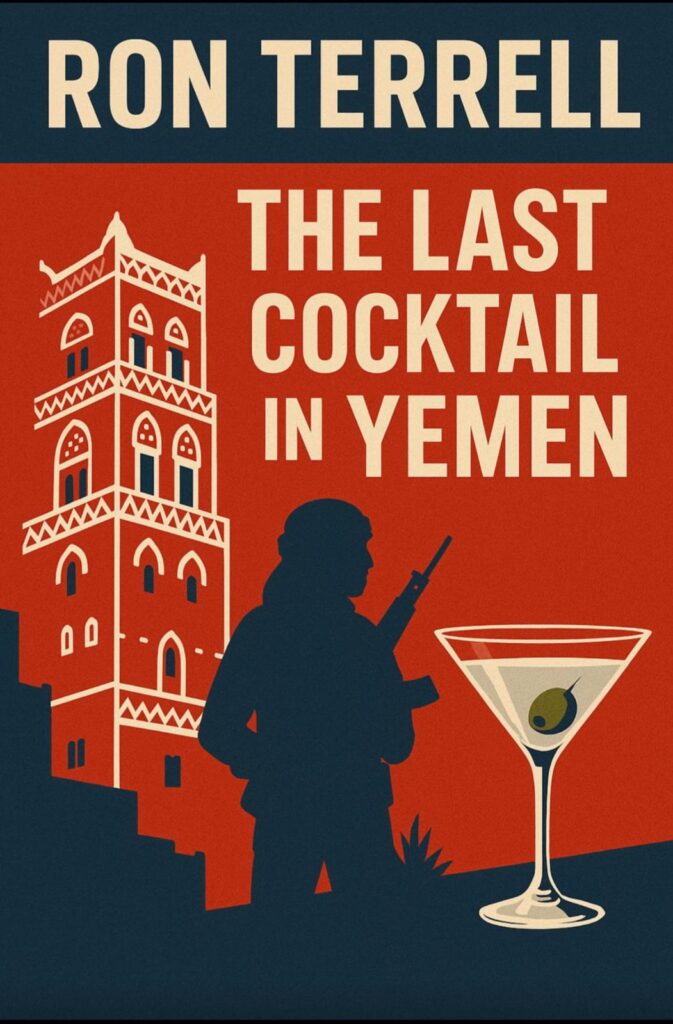
´Last Cocktail in Yemen´

Jack Marshal is a U.S. Navy officer serving at the U.S. Embassy in Sana’a, Yemen. Despite living the Lawrence of Arabia life he had always wanted, he is plagued by loneliness and self-doubt. He meets Nur al-Sayed, an Egyptian journalist researching U.S. counter-piracy efforts in Yemen. Beautiful and worldly, she also carries her own burdens – the memory of a dead lover and a secret past. Their passion for each other is immediate but threatened by an advancing Houthi insurgency. They ultimately discover love, survive betrayal, overcome their demons, and find salvation in each other while fleeing Sana’a and a country falling apart.

Ron´s much-awaited debut novel is due for publication by Christmas in time for the holiday market. The Last Cocktail in Yemen is the first in a planned trilogy.

Engaging Yemen’s Maritime Forces

Proceedings, 

Strengthening Yemen’s navy and coast guard will help to weaken al Qaeda in the Arabian Peninsula by strangling the seaborne smuggling networks that finance its operations. NAVCENT is advancing these interests by using a Navy foreign- area officer to build partnerships with the country’s maritime forces. But the Yemeni navy and coast guard will continue as our partners only if the United States addresses Yemen’s needs, maintains its commitments, and engages the nation in a manner that aligns with its larger goals.
http://www.bluetoad.com/publication/?i=65637&p=80
 
Islamic Banking – Financing Terrorism or Meeting Economic Demand

This thesis investigates the recent world-wide rise in Islamic banking. In doing so it (1) surveys the underlying religious foundation of Islamic finance, (2) examines the attempts of Islamists to use Islamic banking to Islamize societies, and (3) assesses how countries’ use of Islamic banking fit into the international economic system. Drawing on this analysis, Islamic banking is finally examined from a national security perspective – is this form of finance particularly susceptible to miss-use by terrorist groups? Although there are areas in the industry that need regulating and monitoring, this study ultimately concludes that Islamic banking’s ties to terrorism are anecdotal, the expansion is the result of oil revenues and personal piety, and that Islamic banking can be leveraged as a means of moderation and enfranchisement when advanced free of an Islamist agenda.
http://edocs.nps.edu/npspubs/scholarly/theses/2007/Dec/07Dec_Terrell.pdf